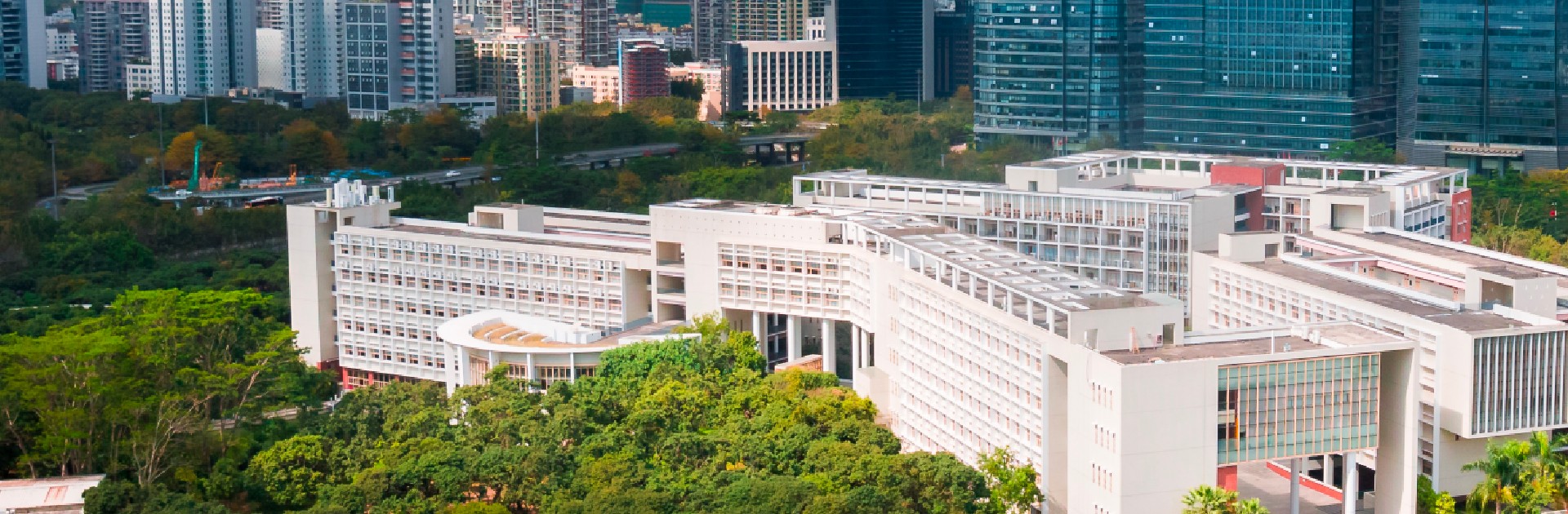
On the morning of June 30, 2026, an academic lecture co-hosted by the School of Marxism and the Institute of Reform and Opening-Up Studies of Shenzhen University was successfully held in Meeting Room 1600 of Huiwen Building, Shenzhen University. Professor Bidyut Chakrabarty, former Vice-Chancellor of Visva-Bharati University, India, and an internationally renowned political scientist and historian, delivered a fascinating lecture titled "Communism in India" to faculty and students of Shenzhen University. The lecture was chaired by Professor Zhang Shoukui of the School of Marxism, Shenzhen University, and was attended by a large number of faculty and students from the School, who also took part in the discussion.
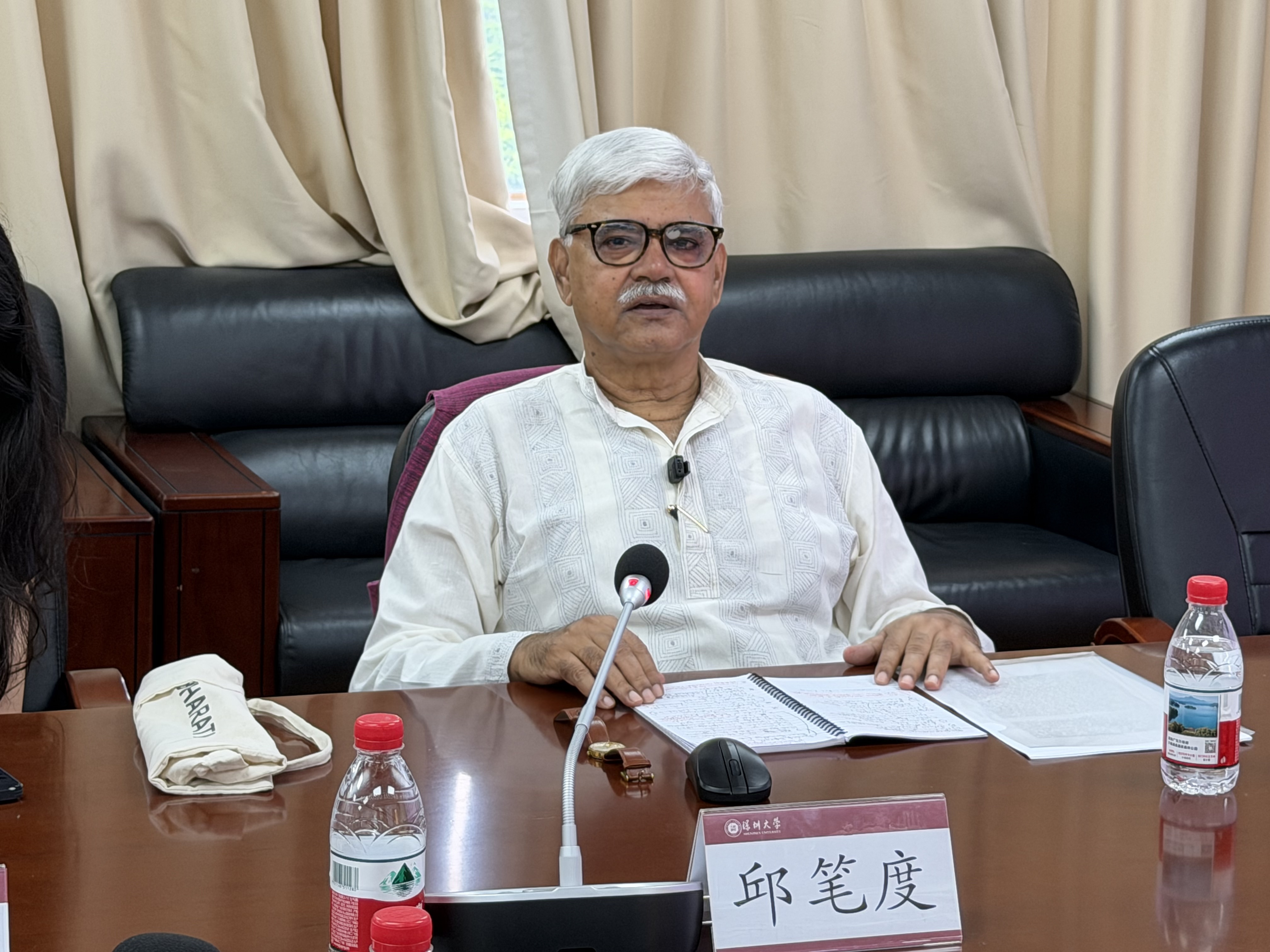
At the outset of the lecture, Professor Chakrabarty pointed out that Indian communism cannot be understood by simply applying the analytical framework of classical Marxism; rather, it must be placed within India's specific historical and cultural context. He then went on to expound the topic systematically from three aspects.
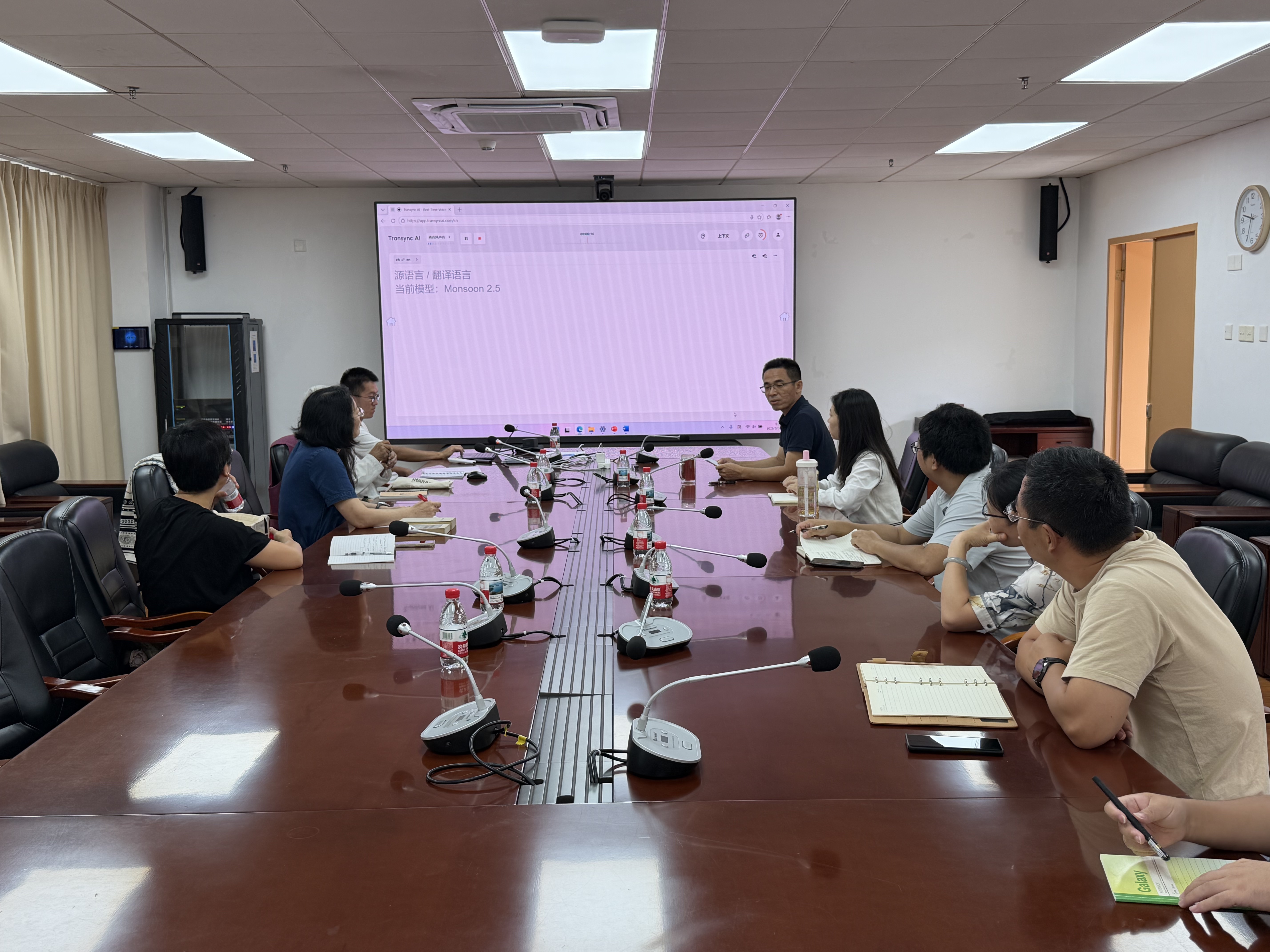
First, Professor Chakrabarty traced the origins and development of communism in India. He pointed out that communism in India did not come directly from the Soviet Union or China, but was introduced through the Communist Party of Great Britain (CPGB). In 1926, the CPGB sent three theoreticians — Ben Bradley, Philip Spratt and R. P. Dutt — to India, inaugurating the Marxist movement there. At the same time, a group of Indian revolutionaries exiled by the British authorities to the Andaman Islands read the works of Marx, Engels and Lenin in prison and were deeply inspired by them, going on to become an important force in the Indian communist movement after their release. However, because the early Communist Party of India was overly dependent on the Comintern, and during the Second World War failed to take part in the Quit India Movement launched by Gandhi out of deference to the Soviet position, it became seriously disconnected from the Indian nationalist movement and long failed to take root among the masses. Professor Chakrabarty said bluntly that the Communist Party of India "has always been like a child," dependent on external directives and never growing into an independent and mature political force.Second, Professor Chakrabarty focused on the concept of "contextualized Marxism" that he has proposed. He distinguished between two kinds of Marxism: one is "classical Marxism," which arose from the industrial societies of Western Europe and holds that the working class is the sole subject of revolution; the other is "contextualized Marxism," which maintains that Marxism must be combined with the specific national conditions of each country. Taking China as an example, he noted that Mao Zedong sinicized Marxism and emphasized the role of the peasantry in revolution — a successful practice of contextualized Marxism. In India, by contrast, early communists mechanically copied the classical Marxist model, concentrating on organizing industrial workers, who made up only a tiny fraction of the population, while ignoring the peasants, who constituted the overwhelming majority; this strategic error severely limited the influence of the communist movement. Professor Chakrabarty also noted in particular that the 1962 Sino-Indian War led to a split within the Communist Party of India and gave rise to the Communist Party of India (Marxist), and that a further split in 1969 produced the Communist Party of India (Marxist–Leninist), which represented the radical faction influenced by Maoism.Finally, Professor Chakrabarty analyzed the current state and future trajectory of the Indian communist movement. He noted that the Maoist movement in India is now in decline, for three main reasons: first, the Indian government has used development programs to draw poor people away from armed struggle; second, serious patriarchal problems exist within Maoist organizations, where female members are marginalized and even exploited; and third, Maoists have failed to effectively combine Marxism with India's historical and cultural traditions. He shared his experience of conducting fieldwork in Maoist base areas in Odisha in 2007, noting that even Maoist leaders themselves admitted that educating the masses with foreign concepts rather than indigenous Indian experience had been a major mistake. As for the future, Professor Chakrabarty believes that, as the Indian government's development programs advance and the internal problems of Maoism come to light, the prospects for the Maoist movement are not optimistic; yet the history and experience of Indian communism — especially the theoretical exploration of "contextualized Marxism" — remain worthy of in-depth study.In the interactive session of the lecture, faculty and students exchanged views with Professor Chakrabarty on questions such as "the relationship between contextualized Marxism and the sinicization of Marxism," "the tension between Indian nationalism and the communist movement," and "the Trotsky–Stalin debate over 'socialism in one country.'" Professor Chakrabarty gave detailed and vivid responses to each of the questions raised.
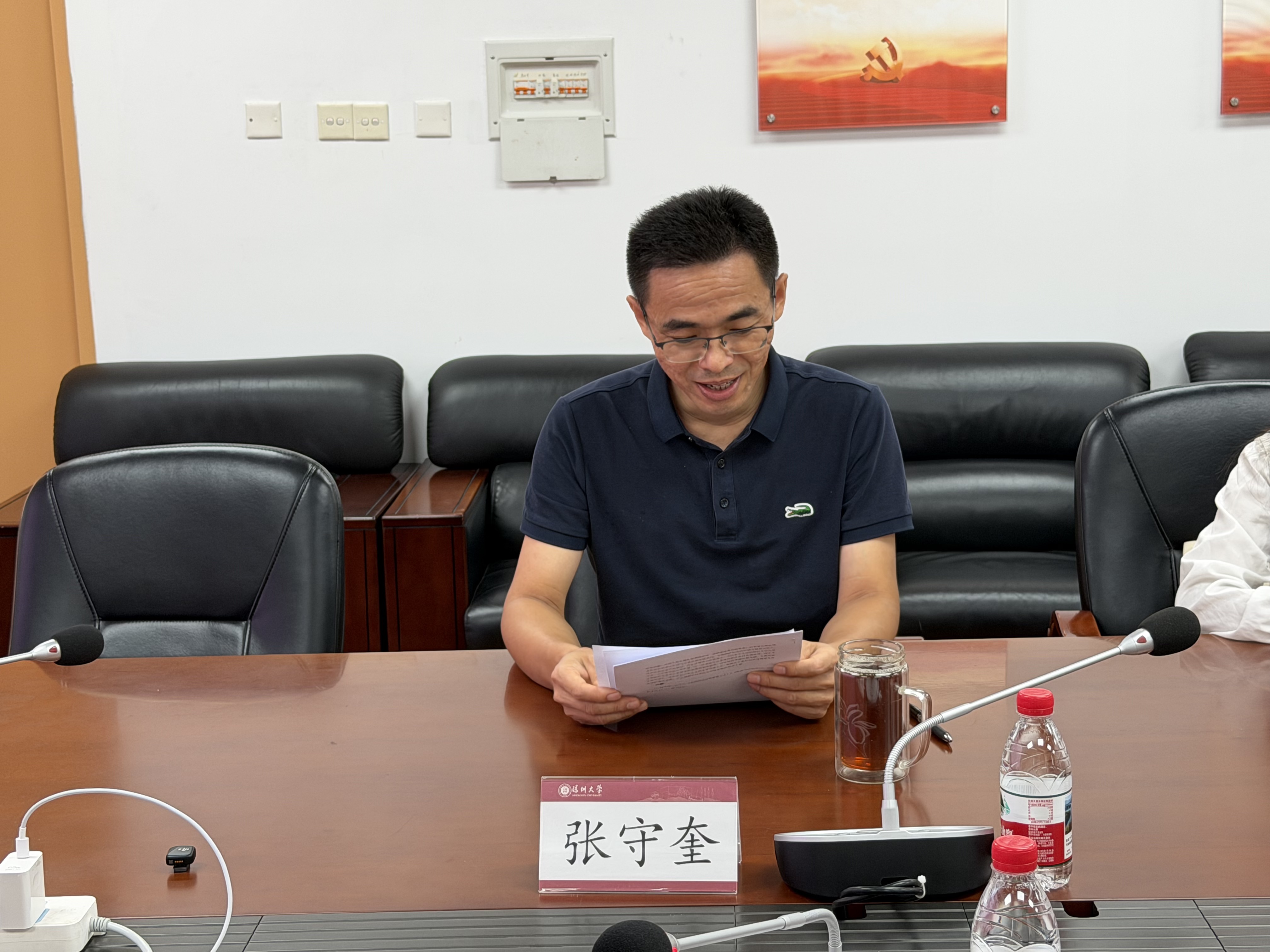
At the end of the lecture, Professor Zhang Shoukui thanked Professor Chakrabarty for his excellent presentation and delivered concluding remarks, noting that the lecture was broad in vision, supported by abundant historical materials and distinctive in perspective. It not only provided clear historical threads for understanding the complex landscape of the Indian communist movement, but also offered an important comparative reference for thinking about the localization of Marxism in different cultural contexts. The lecture drew to a successful close amid warm applause from the faculty and students.