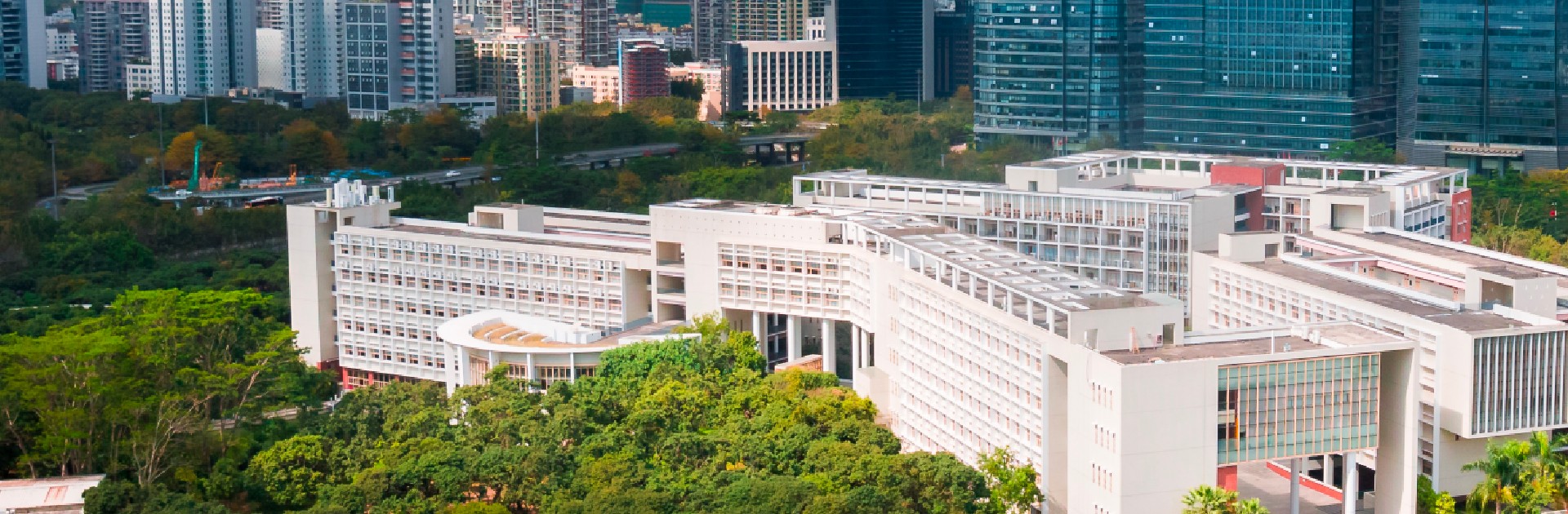
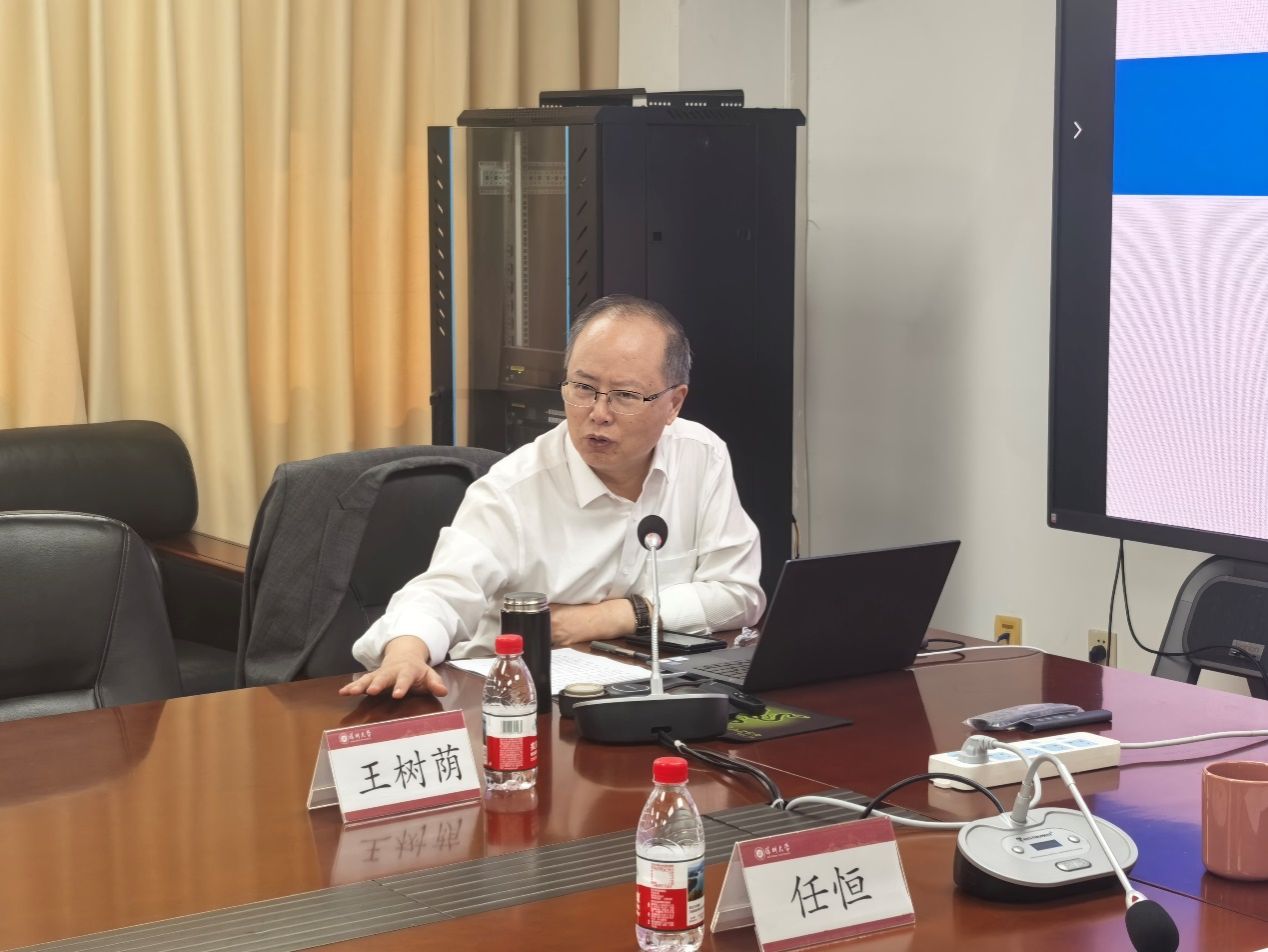
At 3 p.m. on March 26, 2026, "Session Two of the Master Teachers' Talk Series under the Project for Improving the Quality of Ideological and Political Courses in Higher Education Institutions," jointly hosted by the School of Marxism, the Institute of Reform and Opening-Up Studies of Shenzhen University and the Guangdong Regional Collaborative Innovation Center for Ideological and Political Courses in Higher Education Institutions, was successfully held in Meeting Room 1600, Huiwen Building. Prof. Wang Shuyin of Beijing Normal University was invited as the guest speaker and shared his insights in depth with the teachers of the School on the theme of "the Cultivation and Application of Teaching Achievement Awards." The lecture was chaired by Assoc. Prof. Ren Heng, Vice Dean for Teaching of the School.
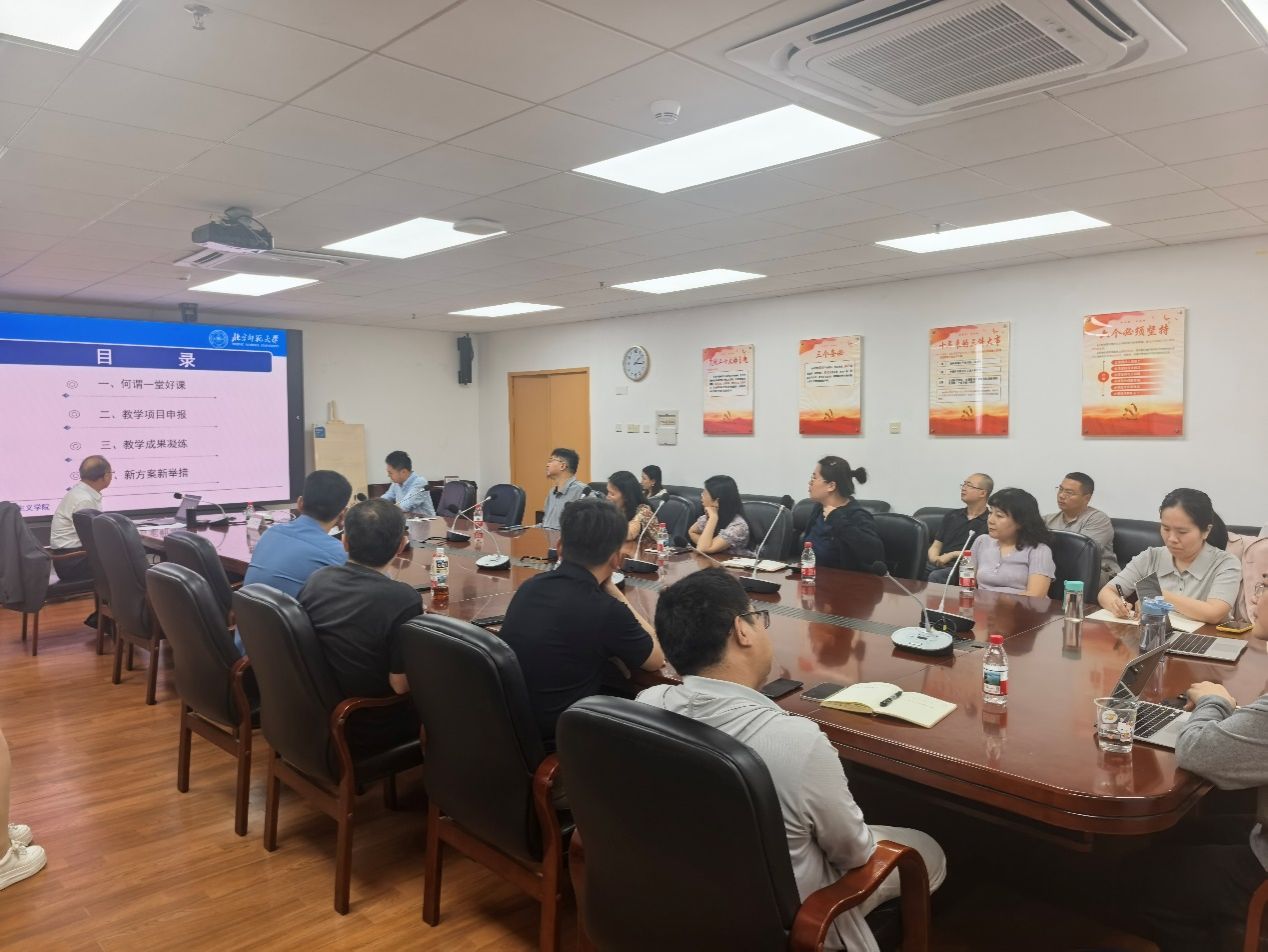
At the outset of the lecture, Prof. Wang Shuyin took a problem-oriented approach as his entry point, inviting teachers to raise the problems and puzzles they had encountered in teaching ideological and political courses, and began the lecture on the basis of those problems. The teachers present actively put questions to Prof. Wang, asking, among other things, how to cultivate teaching innovation capability and how to address the overlapping content between undergraduate and postgraduate ideological and political courses. Prof. Wang pointed out that only when the innovation capability of teachers of ideological and political courses is enhanced can the teaching of these courses be better advanced. Teachers of ideological and political courses should support teaching with research and continuously cultivate their innovation capability by improving their research capacity. At the same time, they should pay attention to teaching methods and techniques, be good at grasping the principal contradiction, and combine their own research content with the content of ideological and political courses. In response to the question of overlapping content between undergraduate and postgraduate ideological and political courses, Prof. Wang noted that collective lesson preparation among teachers of these courses should be strengthened: not only should teachers of the same course prepare lessons collectively, but collective lesson preparation should also be strengthened across different ideological and political courses, so as to reduce duplication of content across courses and across stages of student learning.
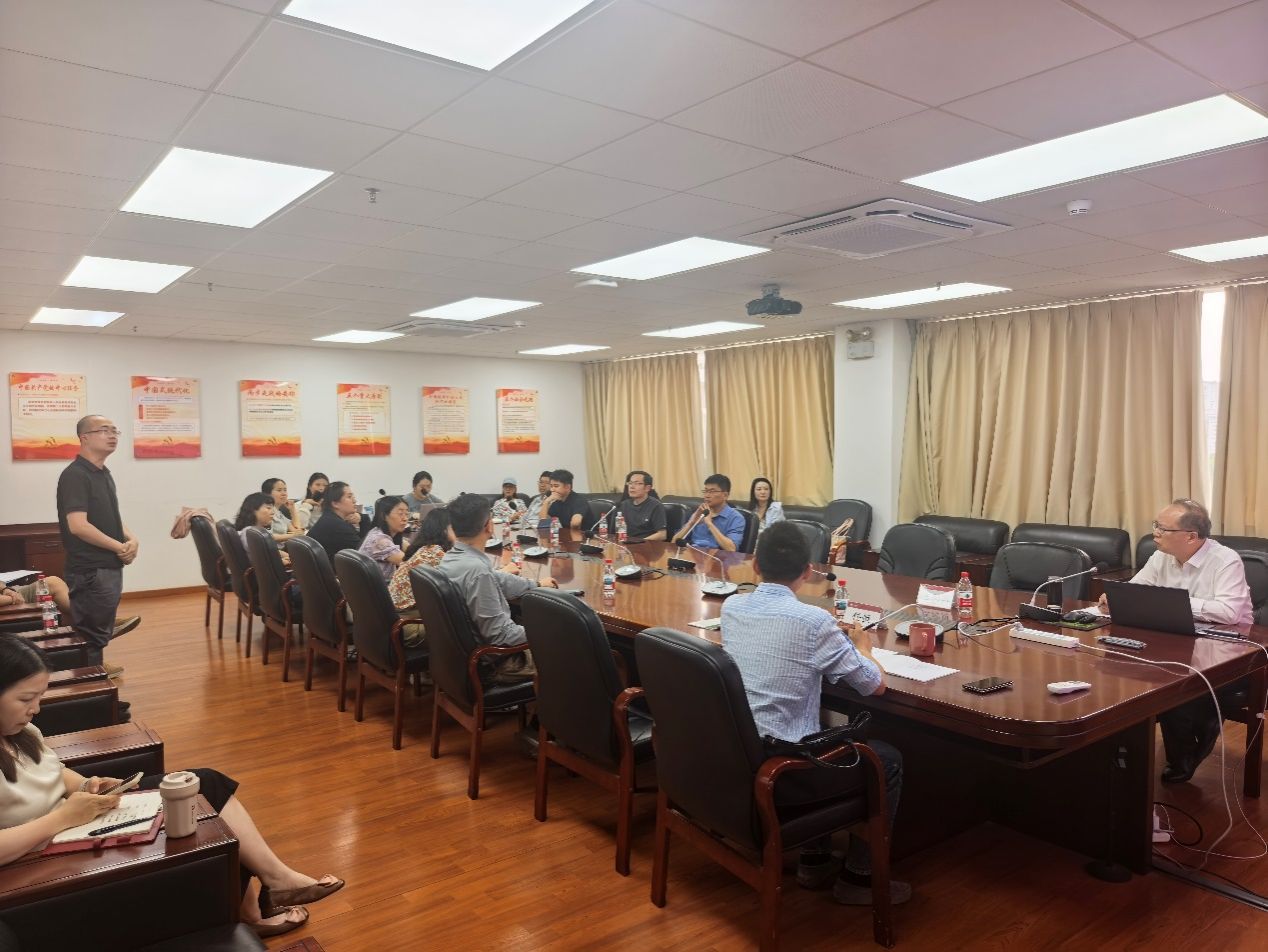
Then, Prof. Wang elaborated in detail on the elements that go into delivering a good ideological and political course: thematic teaching, a problem-oriented approach, research-driven scholarship and a distinctive teaching style. Proceeding from his own teaching practice and research experience, he stressed that ideological and political education in the new era must clarify teaching objectives and teaching purposes, grasp the logical relationship between the textbook system and the laws of teaching, and proactively attend to students' overall ideological perplexities and psychological state. He emphasized that teachers should raise their level of research, foreground the key and difficult points in their teaching, and attend to hot topics and focal issues, so that ideological and political courses have both depth and breadth. He also noted that teachers should seek a teaching style suited to themselves on the basis of their own research and present an excellent ideological and political course to students through multiple channels and approaches.
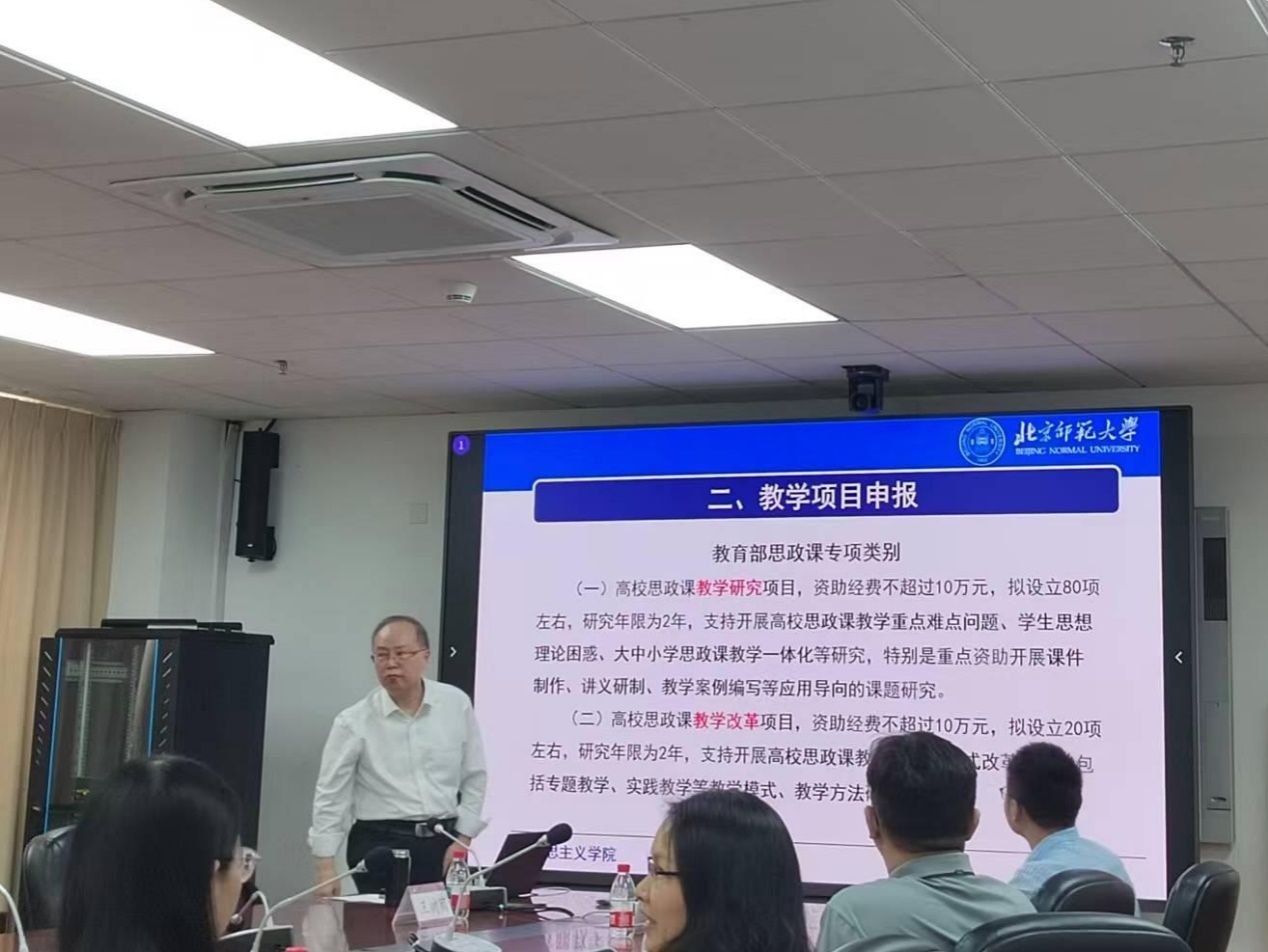
Second, Prof. Wang focused on sharing with the teachers his experience in applying for teaching projects, explaining how to improve the teaching quality of ideological and political courses through research project applications. He introduced the levels and types of teaching project applications, such as National Social Science Fund projects, projects of the Beijing Municipal Social Science Planning Office, major, key, general and youth projects of research centers for Xi Jinping Thought on Socialism with Chinese Characteristics for a New Era, and special projects for ideological and political courses of the Ministry of Education. He pointed out that the direction of topic selection should focus on the key and difficult points of ideological and political courses and on innovation in teaching methods, and he asked teachers to "explore a small topic in depth" and refine the substantive focus of their topics. Prof. Wang also described the core content that application materials should contain: for instance, the rationale for the topic should set out its reasonableness and value and avoid vagueness; the review of the scholarly literature should exhaust the available sources; and research methods should be specific and feasible rather than merely formalistic.
In addition, Prof. Wang explained how to distill teaching achievements, noting that such distillation should cover a brief introduction to the achievements and the main teaching problems they address, the methods by which the achievements address those teaching problems, and the innovations of the achievements together with the effects of their promotion and application. By distilling their own teaching achievements along these four dimensions, teachers can continuously enhance their ability and level in teaching ideological and political courses. At the same time, Prof. Wang shared with the teachers new plans and measures for the reform of ideological and political theory courses in higher education institutions in the new era, described the progress and problems of that reform, and stressed that teachers of ideological and political courses should strengthen their study and research of Xi Jinping Thought on Socialism with Chinese Characteristics for a New Era.
Finally, Prof. Wang once again engaged in interactive exchange with the teachers present, answering the problems and difficulties they had encountered in teaching and research. As a frontier position in the reform of ideological and political courses in higher education institutions, Shenzhen University has in recent years continued to strengthen the development of the Marxist theory discipline and to enhance its teachers' study and research of Xi Jinping Thought on Socialism with Chinese Characteristics for a New Era. This lecture not only provided the faculty and students with a valuable platform for learning and exchange, but also offered new methods and new ideas for improving the teaching quality of ideological and political theory courses.